

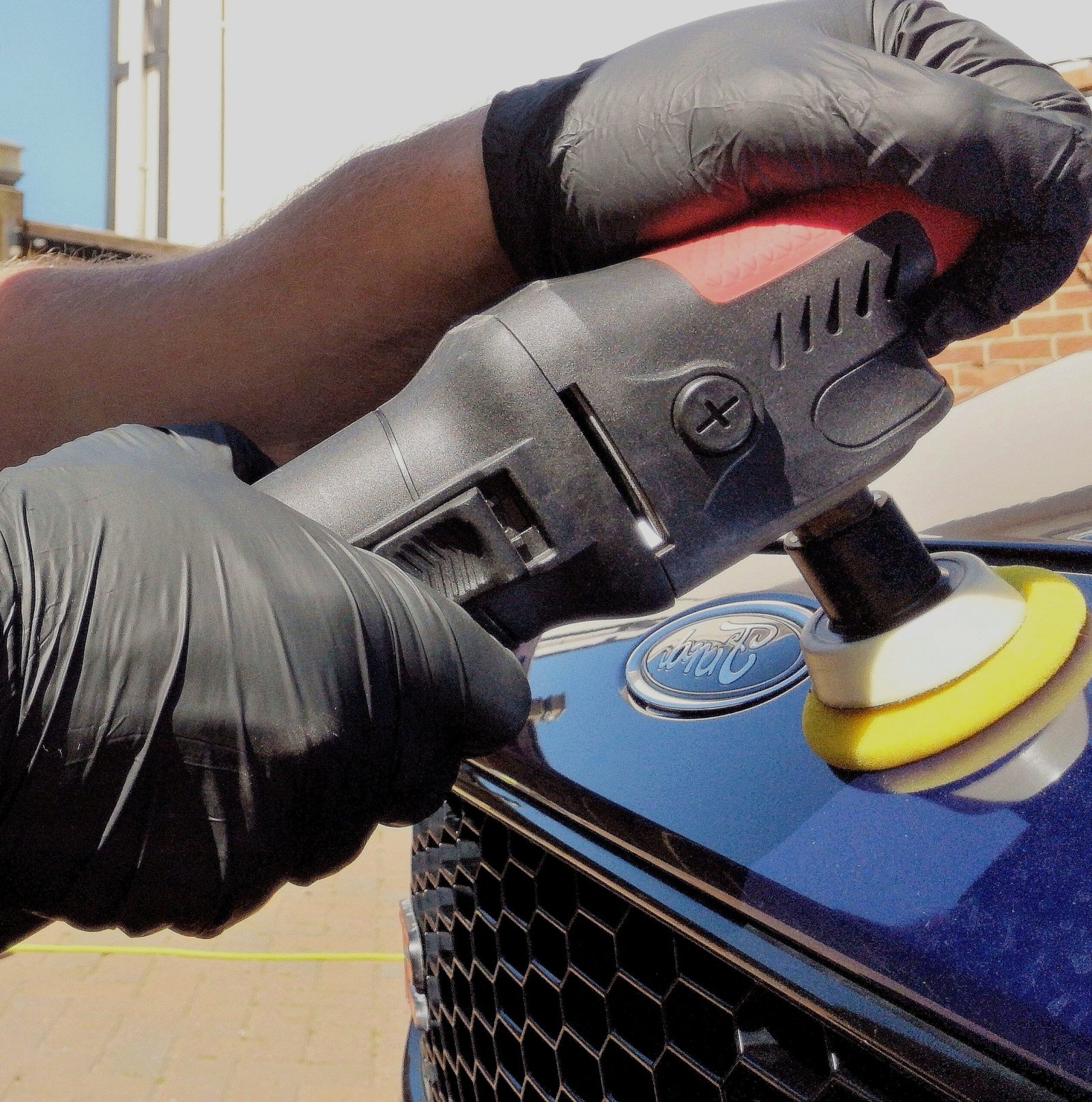
Machine Polishing
Swirls, scratches and dull paint can make a car look like it’s been through a few hedges. Machine polishing removes or reduces these defects, leaving glossy paint and ridiculous reflections.
Machine Polishing Packages
From a quick enhancement to full paint correction.
Small Car (Golf, Fiesta size) – From £150
Medium Car (BMW 3 Series, Kia Sportage) – From £175
Large Car (Range Rover) – From £200
The prep is complete. Seal that finish in with a ceramic coating.
✔ Fully insured & manufacturer accredited
Contact us directly via call or WhatsApp for a quick quote.
Multi-Stage Paint Correction on Heavily Swirled Paintwork
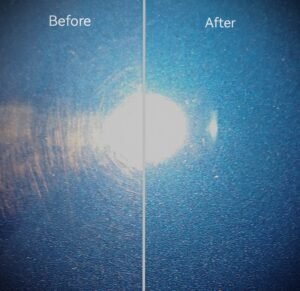
Enhancement or Paint Correction?
Swirls, scratches or those strange rainbow-like holograms showing up in the paint?
Machine polishing uses the right pad and polishing compound to remove or reduce paint defects rather than simply hiding them.
Products that contain heavy paint fillers, such as a hand-applied polish, can mask imperfections and make the paint look better for a while, but they don’t actually correct the defects.
There are several options: paint enhancement, single-stage and multi-stage paint correction.
A paint enhancement gives dull, tired paintwork a much-needed lift, improving the gloss and cleaning up the overall finish without chasing every last mark. It won’t remove every defect, and it isn’t supposed to – it’s for paintwork that needs waking up without going all the way into full correction.
This is where the actual correction starts. A single-stage correction removes a high percentage of lighter defects in one stage, taking the paintwork well beyond an enhancement without the extra time and cost of going multi-stage.
A multi-stage correction takes things further. A heavy cutting stage tackles deeper scratches and heavier defects, followed by a finer polishing stage to remove the light marring, hazing or holograms left behind. It takes more time, more work and more skill, all aimed at getting the best finish the paintwork can safely give.
What's Included?
-
- Paintwork assessed to determine the right polish and pad combination
- Thorough wash and decontamination before polishing begins
- Sensitive trims and edges masked where needed
- Single-stage or multi-stage polishing, depending on the service booked
- Polish residue removed to reveal the true finish
- Final inspection under specialist lighting
Machine Polishing FAQs
It depends on the depth. Light scratches, swirl marks, scuffs and oxidation can usually be removed. If a scratch has gone through the clear coat, polishing won’t remove it completely, but it can often make it far less noticeable. The paintwork will be assessed beforehand, with honest advice on what’s achievable.
Yes, when carried out correctly. Machine polishing removes a microscopic layer of clear coat, so the paintwork is assessed and the right combination of pads, products and technique is used to improve the finish safely.
It depends on the level of machine polishing. A paint enhancement may take several hours, while single-stage and multi-stage correction take longer due to the extra work involved. Vehicle size and paint condition also affect the time required.
That depends on the result you’re looking for. An enhancement improves gloss and overall appearance, while single-stage and multi-stage correction remove progressively heavier defects. I’ll explain what each option could achieve on your paintwork, then the choice is yours.
There’s no fixed schedule. It comes down to the condition of the paintwork and whether you want the finish improved. Good washing and maintenance will help prevent new defects from building up between polishes.
You don’t have to, but it’s the ideal time to have one applied. The paintwork is already properly prepared, and a ceramic coating will make it easier to clean and help keep the polished finish looking its best for longer.
No. Stone chips are areas where paint has been knocked away, so there’s nothing for polishing to correct. Machine polishing can improve the surrounding paintwork, but the chips themselves will need touching in or repairing.
Sometimes. Water spots can often be removed or reduced, but bird droppings can etch surprisingly deep into the clear coat. Polishing may improve the marks considerably, although some damage can remain.